A newsletter can keep your spa in clients’ inboxes, but one offer sent to everyone may not give each person a useful reason to rebook. Boulevard’s guide notes that newsletters often send the same message to new clients and regulars, which may not meet either group’s needs.
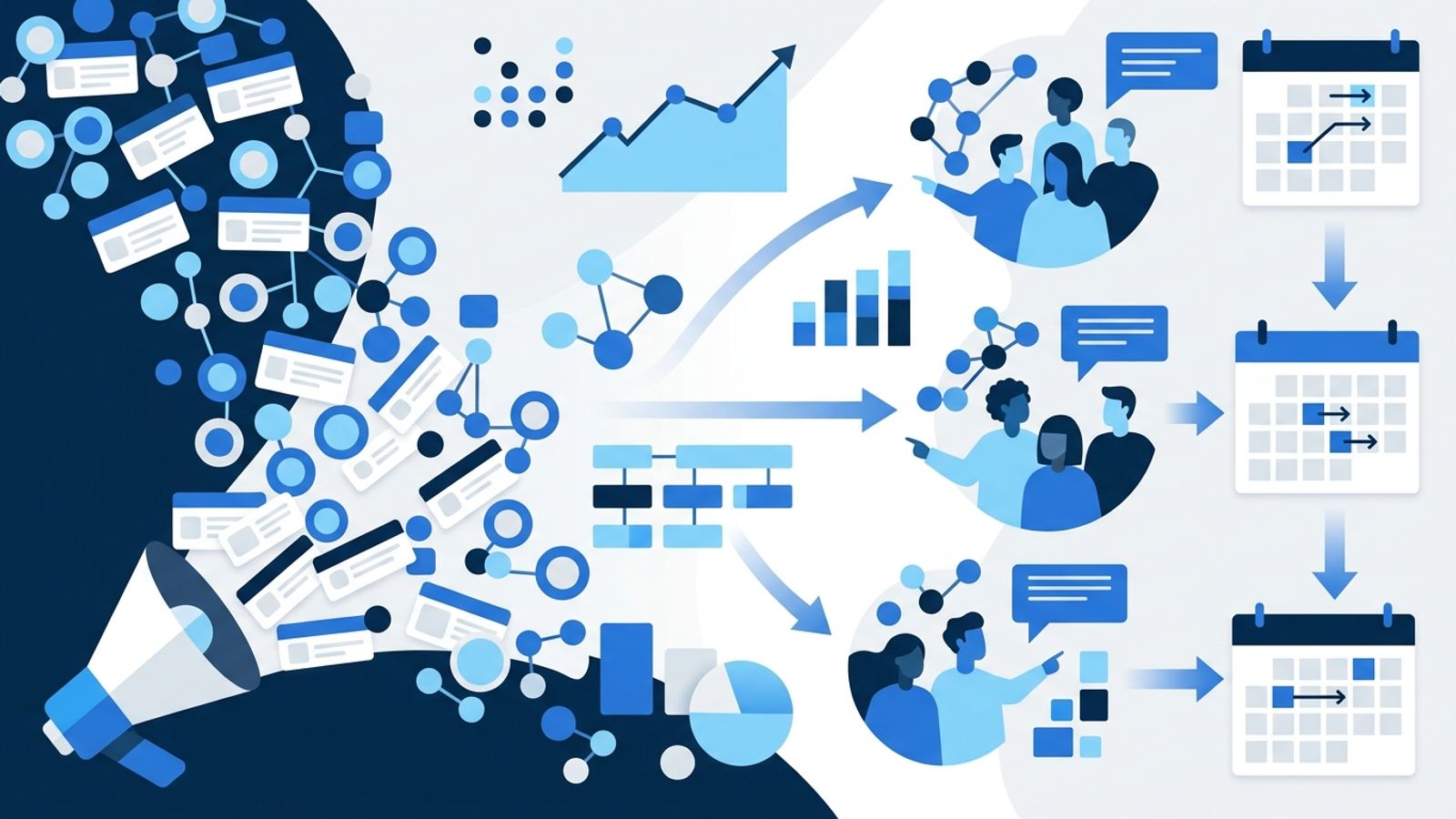
A more relevant approach is to group clients by the service they received and the time since their last visit. Then send a rebooking message that fits that service and the client’s likely next step. This doesn’t require an AI system to begin; it requires usable appointment history and a clear idea of what you want to learn.
Build segments around service and timing
Start with service interest or treatment history. A facial client might receive a facial maintenance reminder while a massage client gets a message tied to their previous service. Boulevard recommends using treatment history to create distinct messages, rather than assuming every client wants the same content.
Add time since the last visit. One segment might be clients who are approaching the usual return window for a service. Another could be clients who have passed that window without booking. These are starting points, not universal rules: use your own service guidance and booking history to decide what timing is appropriate. Boulevard advises sending rebooking messages after the expected follow-up window for the specific service.
Keep the first version manageable. Choose a service or two where repeat visits matter to your business, then write a message for each relevant timing group. Make the offer or reminder specific, and give the reader one clear next step, such as booking that service. Avoid sending a discount by default; a timely reminder or useful follow-up may be a better fit for the client and your margins.
Test the message, not just the subject line
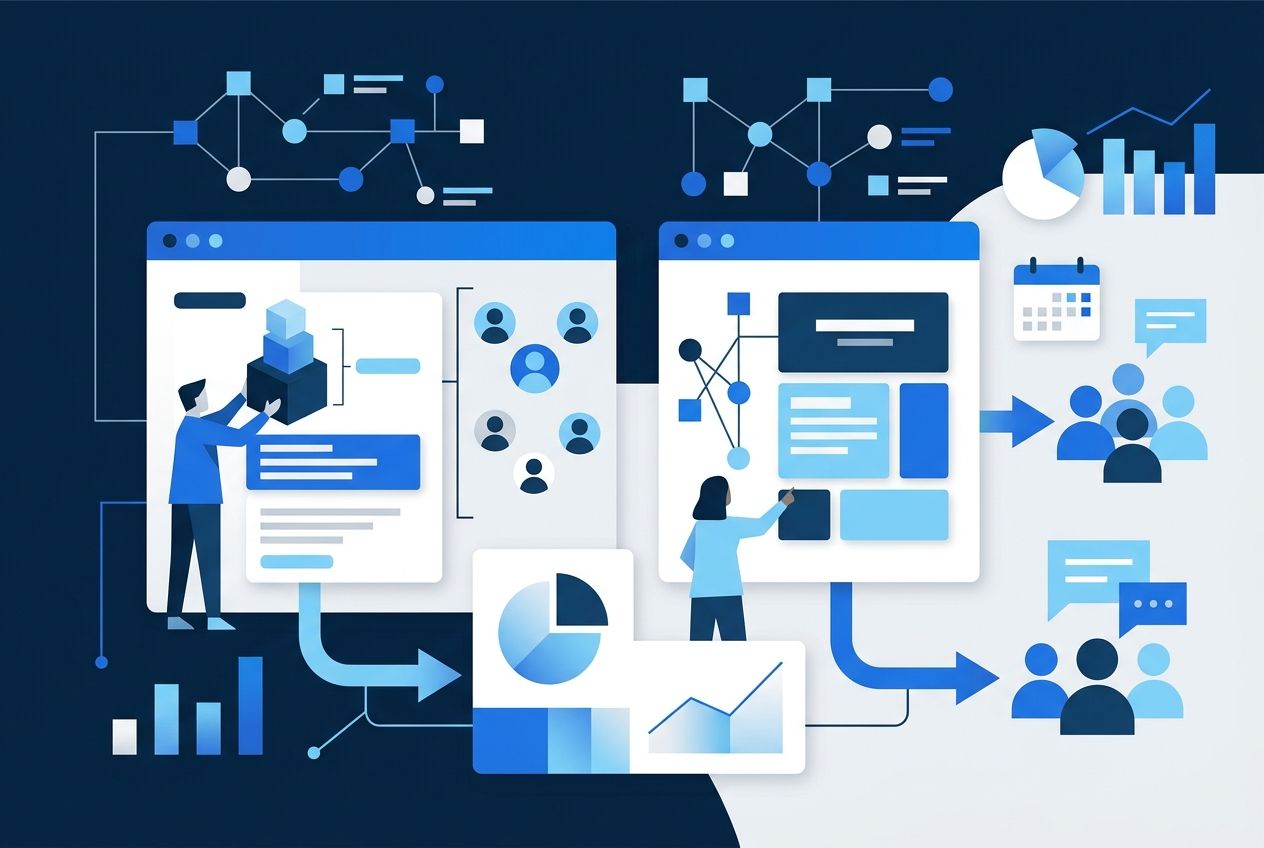
Treat each tailored message as a marketing idea to evaluate, not a guaranteed improvement. An attribution experiment—a controlled test that estimates whether a marketing change led to a business outcome—can help you learn which message performs better for a particular audience. Focus on whether recipients book and what revenue follows, rather than assuming a higher open rate means more appointments.
There is an example of why audience-specific results matter, though it comes from a different setting. AWS reports that Amazon Payments saw a high single-digit percentage relative lift in final-funnel conversion for one customer population during a seven-week online test, while another population saw no improvement. This is an AWS-reported result from a product acquisition funnel, not evidence that spa rebooking emails will produce the same outcome.
AWS also says the issue in its case turned out to be the content, not the model. For your spa, the practical lesson is to check whether the message and offer make sense for the segment before adding more complex technology.
Measure the outcome that matters
Email opens can show that a message attracted attention, but they don’t tell you whether someone booked. Boulevard recommends looking at booking-link clicks, rebooking and revenue per email. Track those outcomes for each segment so you can decide whether the message is earning its place in your marketing calendar.
Keep the comparison fair in your reporting. Note which segment received which message and look at the same booking and revenue measures for each. If a message gets attention but not bookings, revisit its timing, service relevance and call to action before increasing send volume.
What to do next
- Choose a service with a clear follow-up pattern.
- Group clients by service history and time since their last visit.
- Write a relevant reminder with one booking action.
- Review clicks, bookings and revenue before expanding the campaign.
You don’t need to start with AI. First make sure your segments reflect how clients actually book and return. If you want help identifying which client groups drive revenue and why, Vetraeus’s Customer Segmentation service can help frame that analysis.
- customer segmentation
- spa marketing
- email marketing
- client retention

Alan Jordan, founder and principal solutions architect. Data engineering, data science and business analytics for appointment-based businesses.