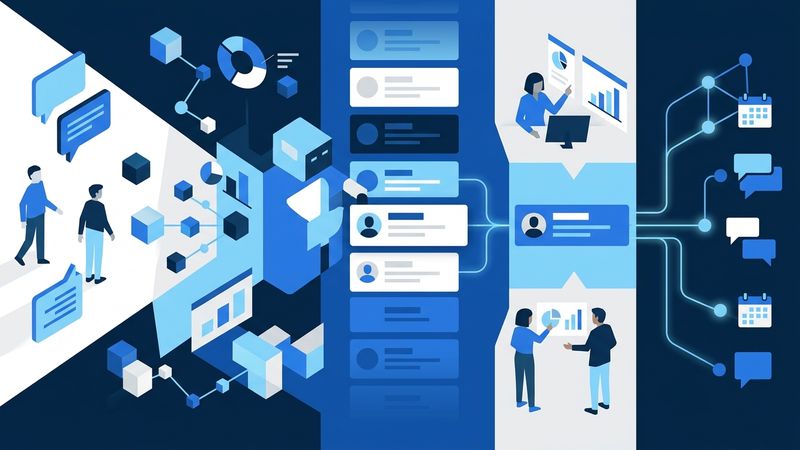
Salesforce says it has signed a definitive agreement to acquire Listen Labs, which it describes as an AI-powered customer research and human simulation platform (Salesforce announcement). Salesforce says Listen Labs’ AI agents design studies, conduct in-depth research and synthesize insights. The transaction is expected to close in the fourth quarter of Salesforce’s fiscal year 2027, subject to customary closing conditions, including required regulatory clearance (Salesforce announcement).
For an appointment-based business, the useful signal is the focus on learning why customers act—not just collecting a rating. But this is an acquisition agreement, not an announcement that salons or clinics can already use Listen Labs. Treat it as a prompt to improve your own retention research while the transaction remains subject to closing conditions.
Start with a decision, not a survey
Before asking clients for feedback, decide what you need to learn. Are one-time clients not returning because of the service itself, difficulty booking a follow-up, unclear aftercare or a price that felt unexpected? Those are different problems and may call for different responses.
Keep the research focused on a decision you could make. For example, you might want to know whether to make a follow-up appointment easier to book, explain a service pairing more clearly or change how a package is presented. Avoid asking a broad question like “What do you think of us?” if you need an answer about a specific point in the client journey.
You can speak with a small, relevant set of lapsed or one-time clients. Ask open questions about what happened, what they expected and what made them decide not to book again. Make it easy for someone to say that the service was not right for them or that they simply have not had time to return. The aim is to understand their experience, not to persuade them to book.
Compare what clients say with what your records show
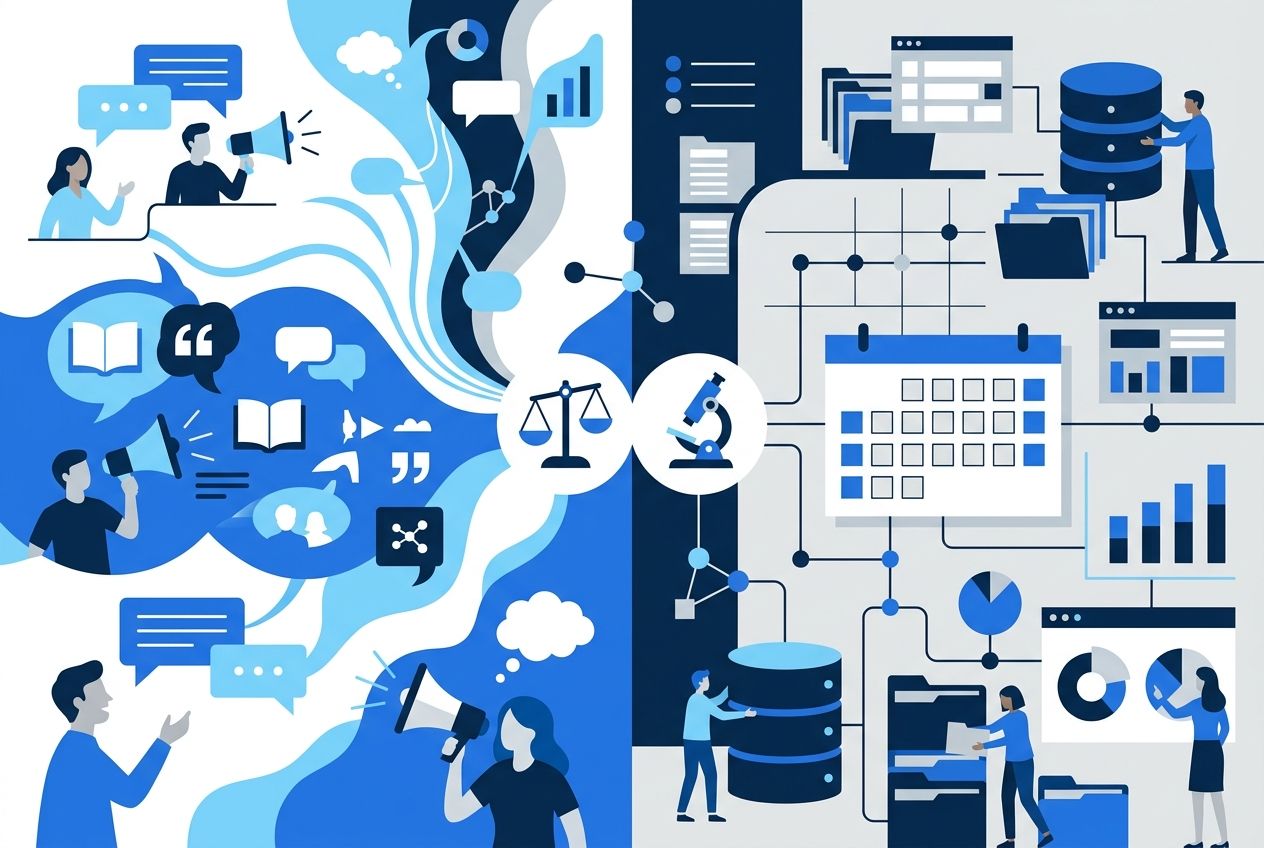
Use booking and point-of-sale records to check whether interview themes appear in the wider customer pattern. If clients mention trouble finding a suitable time, look at your booking records for signs that preferred appointment times are hard to access. If they say they were unsure what to book next, compare that feedback with the follow-up services or pairings they actually chose.
Treat the records as context, not proof of why someone left. A gap in repeat bookings can show where to investigate, but the record alone cannot tell you what a client was thinking. Likewise, a few interviews can surface a possible friction point without showing how common it is across your client base.
Keep the comparison practical. Look at relevant service categories, visit history and the timing of follow-up bookings. Use only the information needed for the question, and handle client feedback and records according to your privacy practices.
Test a specific service change
When feedback and booking patterns point in the same direction, choose one change to assess. If clients say they were unsure what to book after an initial service, you could test clearer guidance about a suitable next appointment or a relevant service pairing. If they describe booking friction, make the next step easier to understand.
Define what you want the change to improve before you make it. That could be more follow-up bookings, fewer abandoned booking attempts or clearer understanding of a service pairing. Use attribution experiments to assess whether the change is associated with the outcome you intended. Don’t treat a positive comment or a short-term booking bump as sufficient evidence on its own.
Salesforce says Listen Labs can move research from questions to insights in days instead of months (Salesforce announcement). That is a vendor claim about the platform, not a promise about your own research timeline. Whatever tools you use, a clear question and a check against your business records can help keep a retention decision grounded.
What to tell your clients
Salesforce’s proposed acquisition is a signal that AI-assisted customer research is drawing attention, but it is not a tool availability announcement. Clients do not need to wait for a new platform to learn from their customers. Start with a focused question, listen to people who did not return and check whether their feedback fits the booking and sales patterns. Then test a specific service or booking change rather than revising the whole offer based on a hunch.
For agencies and technical partners, this is also a useful way to keep AI conversations tied to a business decision. The technology matters less than whether the findings help a client decide what to adjust and how to evaluate that adjustment.
What to do
- Choose one retention decision to inform.
- Invite lapsed or one-time clients to describe their experience.
- Compare recurring themes with booking and point-of-sale patterns.
- Test one targeted change and review the result.
Vetraeus Service Optimization focuses on gateway services and pairings that can reduce churn. A research-led workflow can help you identify which client friction points are worth addressing first.
- applied-ai
- customer-retention
- customer-research
- appointment-based-businesses
- service-optimization

Alan Jordan, founder and principal solutions architect. Data engineering, data science and business analytics for appointment-based businesses.