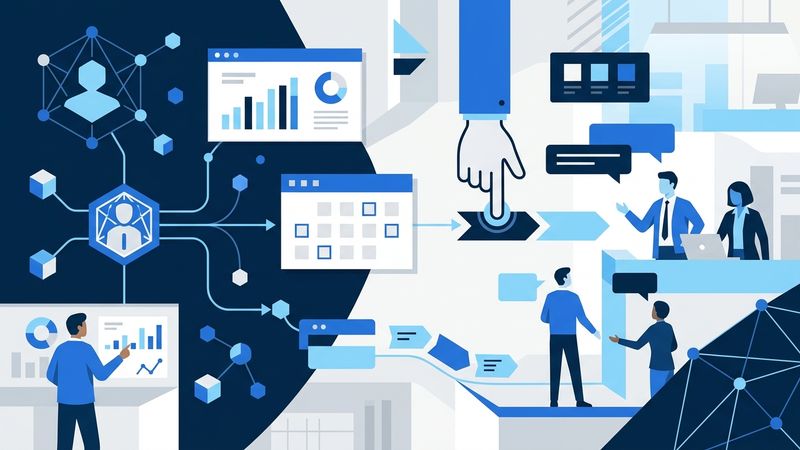
Salesforce says it has entered a definitive agreement to acquire Braze, which it describes as a customer engagement platform (Salesforce announcement). The announcement describes Braze as responding to customer behavior in real time and coordinating experiences across mobile apps, websites, email, SMS, WhatsApp and more (Salesforce announcement). The proposed deal is not complete: Salesforce says it is expected to close in its fiscal year 2028, subject to approvals and other conditions (Salesforce announcement).
Why this matters for client follow-up
For an appointment-based business, the useful takeaway is not that you should switch platforms. It is that a change in the software landscape is a good reason to check whether your current systems pass the right information between them. Salesforce says Braze’s capabilities are expected to complement its architecture after the deal closes (Salesforce announcement). That is a stated expectation, not confirmation that your booking software, point-of-sale (POS) system or messaging tools now connect to either company’s products.
The connection matters because retention messages depend on accurate timing. A reminder to rebook can be useful after a completed visit but confusing if the visit was cancelled or moved. A new booking may mean a client no longer needs a “come back soon” message. An opt-out should be reflected wherever you send marketing messages.
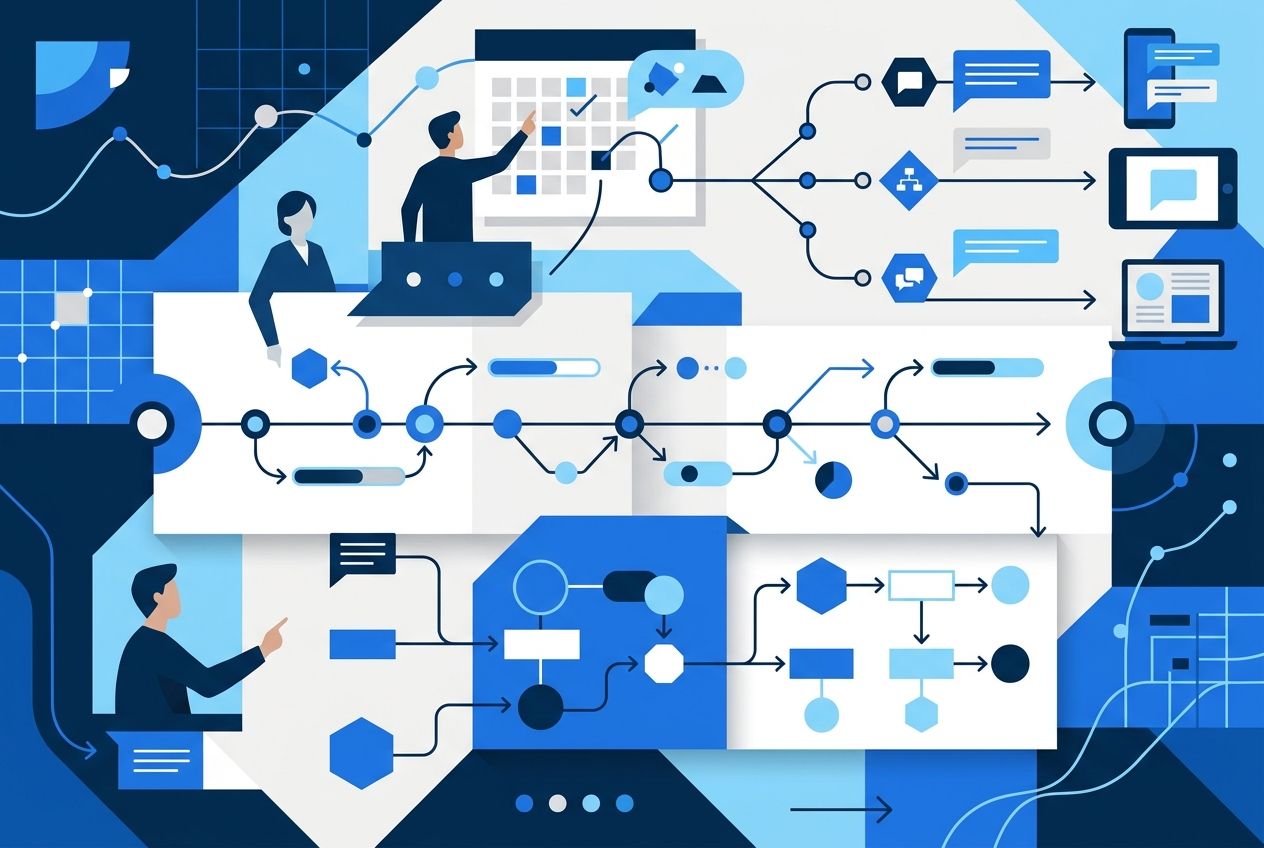
Map the moments that should change a message
Start by listing the client actions that should affect follow-up. In technical terms, an event is a recorded action, such as a completed visit or a new booking. For each action, note which system records it first and which other systems need to receive it.
- Completed visit: Should it start a first-visit follow-up or a rebooking reminder? Make sure the completed status reaches the system used to send that message.
- New or changed booking: Should an upcoming appointment pause or replace a rebooking message? Check that the latest booking status is used.
- Cancellation or no-show: Decide what follow-up is appropriate, then check that an old reminder does not go out as if the appointment were still scheduled.
- Opt-out: Confirm that a client’s choice updates each channel where you send marketing messages.
You do not need to begin by buying a new platform. A simple map of these handoffs can reveal where a staff member has to copy information manually, where the wrong status might trigger a message or where nobody owns the update. For each handoff, write down who is responsible for fixing a missed or incorrect update. That gives you a practical checklist to take to your software providers before considering any change.
Keep consent and sensitive details in view
A connected follow-up workflow should respect the client’s communication preferences as well as appointment status. Decide where an opt-out is recorded, who can change it and how you will check that it is honored across your messaging channels. Do not treat an acquisition announcement as a reason to move client information into a new tool before you understand how it will be used.
If you run a med spa, IV clinic or wellness business, ask a privacy adviser whether HIPAA or other privacy rules apply before connecting client data to marketing workflows. Avoid sending health or treatment details to ad platforms or general-purpose marketing tools. For retention messages, use only the information needed to decide whether and when to follow up.
Measure whether follow-up supports rebooking
Choose a small number of retention questions before evaluating software: Are first-time clients returning? Are regulars booking again when expected? Are membership follow-ups reaching the right people? Are clients receiving messages after they have already booked or opted out?
Review those outcomes alongside the messages you send, rather than relying only on delivery or open figures. If you want to estimate whether a particular follow-up contributes to repeat visits, use an attribution experiment—a controlled marketing test designed to assess the effect of an activity. Keep the question focused, such as whether a post-visit message appears to support rebooking, and review the result against the cost and staff time involved.
What to do next
- Draw a one-page map of your booking, POS and messaging systems.
- Trace a completed visit, a new booking and an opt-out through that map.
- Ask each provider what information is sent, how quickly it updates and how errors are handled.
- Record the retention outcome you want to improve before changing tools.
The goal is a dependable follow-up process, not a particular vendor combination. Vetraeus Solutions Architecture helps businesses design how data, AI agents and automations fit together; the same systems map can clarify what needs to connect before you add new technology.
- retention
- client follow-up
- data readiness
- appointment businesses
- marketing systems

Alan Jordan, founder and principal solutions architect. Data engineering, data science and business analytics for appointment-based businesses.