OpenAI says Cult.fit is using Codex to help teams across functions build tools, move faster and change how work gets done. For a studio or clinic, the useful takeaway is not that you need an AI agent—a system that can take actions based on instructions—but that a repeated internal task may be worth simplifying.
The announcement is a prompt to look for a small operational gap, not evidence that a rebooking tool has been built or that retention has improved. One place to look is the handoff after a first visit: does someone on your team know which new clients have not booked again and what follow-up is appropriate?
Start with the follow-up gap
A first-time client might leave without scheduling another appointment. That does not automatically mean they need a discount or a string of messages. It does mean there may be a follow-up decision for your team: whether to check in, who should do it and when to stop trying.
Before thinking about AI, write down how that decision works today. Which booking or customer record tells staff that someone is new? How can they see whether a second visit is booked? Who is responsible for the next step? If the answers are unclear, a new tool may just make an unclear process happen faster.
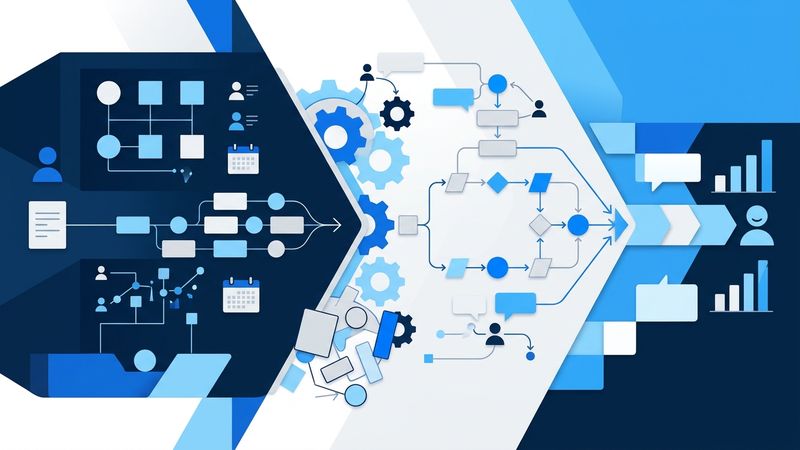
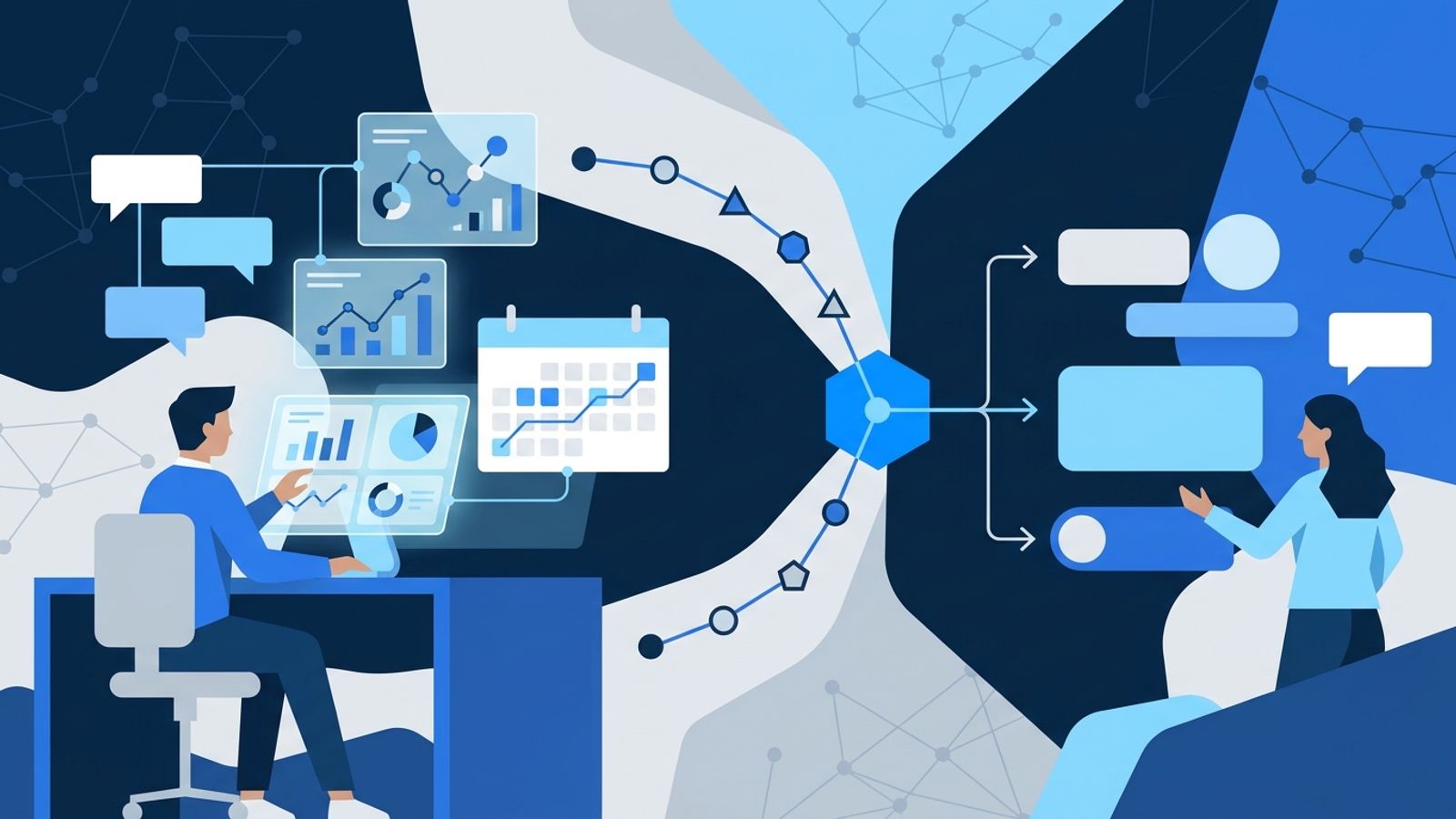
Keep the goal narrow. For example, a staff queue could bring together first-time clients with no next booking, the last visit date, a suggested follow-up task and the team member responsible. The queue is a possible workflow to explore, not something Cult.fit is reported to have built. Start with only the information staff need to act.

Make the tool support a human decision
Follow-up should sound like your business and reflect the client’s situation. A staff member might choose a suitable message, answer a question or decide that no outreach is needed. The tool can help surface the task, but you can keep judgment and approval with your team rather than sending messages automatically.
That distinction matters because “more follow-up” is not the same as better follow-up. Decide what a useful next step looks like before automating anything. For one business it may be a personal check-in; for another it could be a reminder to ask about rebooking during the next conversation. Make sure the process leaves room for a client who has asked not to be contacted.
For med spas, IV clinics and wellness practices, keep health and treatment details out of general marketing tools. Check which privacy requirements apply to your business, including whether HIPAA is relevant. A follow-up queue can be designed around a minimal task and booking status rather than sensitive details.
Measure whether the work is useful
Choose a simple way to review the follow-up process: are staff completing the intended tasks, and are first-time clients returning for another booking? Keep the definitions consistent so you are comparing the same kind of visit and booking over time. If you change the message or process, note what changed; otherwise, it will be hard to know what may have contributed to a difference.
An attribution experiment can help you assess whether a specific follow-up approach is associated with more second bookings. It is a way to evaluate marketing activity, not a promise that a particular message will work. If you do not have enough data to draw a clear conclusion, treat the results as a signal to investigate rather than a verdict.
What to do
- Pick one first-visit follow-up problem that staff can describe clearly.
- Map the booking and customer information needed to identify the next task.
- Draft the human review step and the message boundaries before adding automation.
- Track task completion and second bookings using consistent definitions.
- Review the workflow with staff and adjust it before expanding to other follow-ups.
Codex’s use at Cult.fit offers a practical lens: ask which recurring task might be easier with a purpose-built internal tool. For a retention effort, start with a well-defined first-visit follow-up gap. Then decide whether a basic queue, an existing booking-system feature or an AI-supported workflow is the right fit.
- applied-ai
- client-retention
- first-visit-follow-up
- fitness-business
- marketing-operations

Alan Jordan, founder and principal solutions architect. Data engineering, data science and business analytics for appointment-based businesses.