Anthropic announced it is donating Agent Skills, an open standard (a shared format) for giving AI agents (software that can follow instructions and carry out tasks) specialized knowledge and workflows, to the Agentic AI Foundation. Anthropic says more than 70 agent platforms, including ChatGPT, Cursor, GitHub Copilot and VS Code, have integrated the standard since its publication in December 2025.
For an appointment-based business, the useful question is not whether an AI can send a message. It is whether your first-visit follow-up rules are clear enough for staff—and eventually a compatible AI tool—to apply consistently. That matters when you want to welcome a new client, encourage a return visit or decide when a person should step in.
Why this could matter for retention
Anthropic describes an Agent Skill as a folder containing a SKILL.md file that teaches an agent a specific task or area of knowledge, along with any supporting scripts or reference material. Think of it as a written procedure with supporting materials, rather than a connection to your booking platform.
That distinction helps set expectations. A skill could package your approved follow-up steps for tools that support the standard, but you still need to check separately whether a tool can access the booking context it needs. The announcement describes what a skill contains; it does not say that a skill automatically connects to booking records, chooses which clients to contact or proves that a follow-up led to a rebooking.
So treat Agent Skills as a possible way to make instructions reusable—not as a retention strategy on their own. The first task is to write down what your team already wants to happen after someone’s first appointment.
Put the follow-up routine in writing
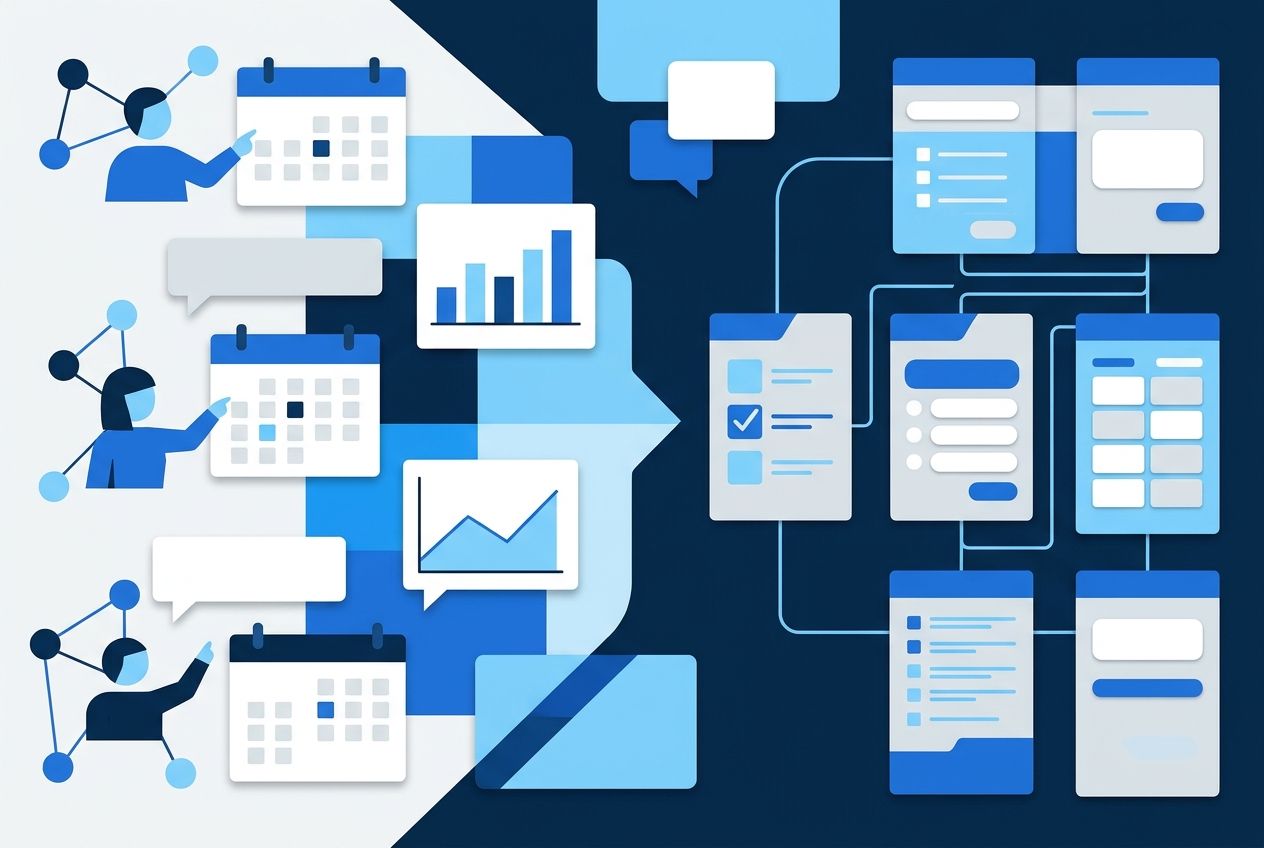
A vague instruction such as “follow up after the first visit” leaves important decisions open. Make the process specific enough that a new staff member could follow it. For example, document:
- Who counts as a first-time client: State which booking or customer record should be used to identify a first visit. Decide how to handle incomplete or conflicting records.
- When a follow-up is due: Set a business-approved timing rule and note what should pause the workflow, such as a cancellation or a request not to be contacted.
- What the message may say: Provide approved wording and a clear next step, such as inviting the client to book again. Don’t let an agent invent an offer, promise an outcome or provide treatment advice.
- When staff must review it: Require a person to check and approve the message before it is sent. Route complaints, unclear records and questions that need professional judgment to the appropriate staff member.
Write these as operating rules, not as a prompt that asks an agent to “sound friendly.” Include examples of messages your team would approve and examples that should be escalated. If the process depends on information the tool cannot access safely, leave that step with staff rather than filling the gap with a guess.
Keep people and privacy in the loop
Keep the booking decision and customer contact human-approved. You might let a compatible tool prepare a draft or flag that a follow-up is due, while a staff member checks the client record, reviews the wording and decides whether to send it. That keeps the workflow useful without assuming the tool has the context to make the final call.
If you run a med spa, IV clinic or wellness business, keep client health and treatment details out of ad platforms and general marketing tools. Check whether HIPAA or other privacy rules apply before using information in an AI workflow.
Measure the retention work using outcomes that fit your process, such as whether first-time clients return or rebook after follow-up. Track opt-outs or complaints too. If you want to test whether a follow-up changes return behavior, use an attribution experiment rather than assuming a message caused a booking.
What to do
- Write your first-visit follow-up rules in plain language.
- Ask staff to review the rules and flag exceptions before using them in a tool.
- Check whether the tool supports Agent Skills and what booking context it can access.
- Start with drafts that require staff approval, then review retention and customer feedback.
The readiness work comes before the agent: clear rules, appropriate data access, staff review and a way to assess whether the process is working.
- ai readiness
- client retention
- first-visit follow-up
- agent skills
- appointment businesses

Alan Jordan, founder and principal solutions architect. Data engineering, data science and business analytics for appointment-based businesses.