 Vetraeus

An AI should answer your business phone only if it can handle a narrow set of routine calls and pass everything else to a person. It may be worth testing if calls are missed or interrupt work, but keep a human responsible for reviewing what it tells customers and records.
When it may be worth trying
Start with the problem, not the technology. Are you missing new-customer calls while working on site? Do appointment requests arrive when no one is free to answer? Are staff spending time repeating basic information about hours, location or services?
If the main issue is a recurring task, a phone assistant may help. A vendor's feature description says its phone assistant can collect names, phone numbers and other details, recognize what a caller wants and route requests to the right person or department. That description also says its system can book, reschedule and cancel appointments through connected scheduling systems. These are vendor-described capabilities, not proof that a particular system will work well for your callers.
A good first use is often answering basic questions, taking a message or collecting details for a callback. You can also consider appointment requests if your calendar and booking rules are clear. Avoid starting with complicated complaints, unusual requests or conversations where a wrong answer could cause harm.
What can go wrong
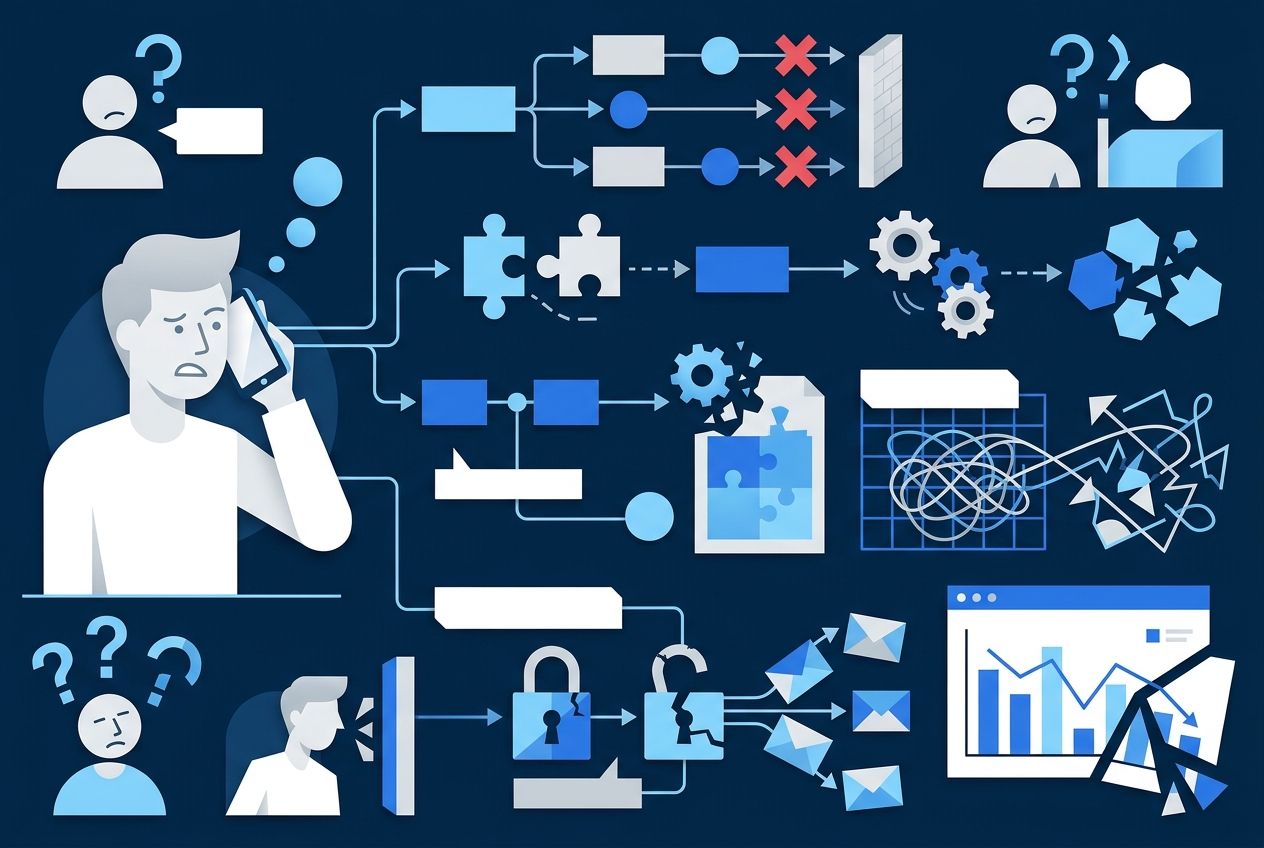
A caller may explain a request in an unexpected way, give incomplete information or need a person’s judgment. If the assistant misunderstands, it could capture the wrong details, send the call to the wrong place or frustrate someone who needs help. Treat those as risks to plan for, not reasons to assume the system will fail.
Set a clear handoff rule before enabling customer calls. For example, decide which requests should go straight to a staff member, what the assistant should do if it is unsure and how a caller can reach a person. Keep the first version focused on a small number of routine tasks.
Have a person review the assistant’s calls or records regularly. One vendor says its system lets businesses inspect AI calls, including what details were captured and when a call was handed to a person. That is a vendor’s description of its review features, not a guarantee that every system provides the same visibility. Check what you can actually review before choosing one.
If you run a clinic, med spa, dental practice or wellness business, keep customer health and treatment details out of ad platforms and general AI tools. Check whether privacy rules such as HIPAA apply before using a phone assistant, and get appropriate advice for your business.
How to decide if it is paying off
Ask for the full cost before you start, including setup, ongoing charges, call usage and any cost to connect booking or phone systems. The sources available here do not establish typical prices, so compare actual quotes rather than assuming the service will save money.
Choose one business outcome to watch. You might track whether more callers get a timely callback, whether suitable appointment requests reach your calendar or whether staff spend less time handling routine calls. Compare the value of that change with the full cost and the time needed to check and correct the assistant’s work. That is a practical decision rule, not a promised return.
What to do first
- Write down the routine calls you want handled and the calls that must go to a person.
- Prepare approved answers for basic questions and confirm your booking rules.
- Ask how callers reach a person and what records you can review.
- Start with a limited task and have a person review the assistant’s customer-facing responses.
- Reassess after you have enough experience to judge whether it saves time or helps you respond to callers.
The goal is not to remove people from your phone line. It is to make sure routine calls get a useful response while your team stays responsible for decisions and conversations that need human attention.

From Vetraeus
Alan Jordan, Founder and CEO. Secure cloud, data, analytics and AI automation for healthcare and business leaders.